Mechanical and Electrical

Collision Related Mechanical and Electrical Repair

Collision Related Mechanical & Electrical Repair

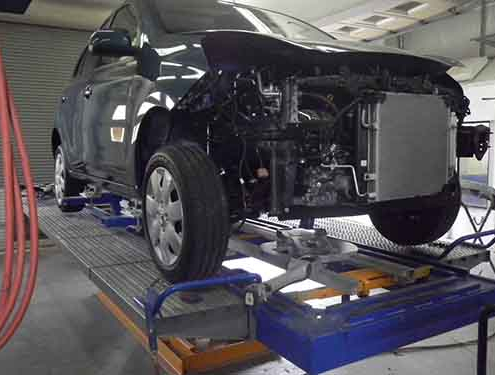
  • With the complexity of modern vehicles most auto collisions require mechanical and electrical repairs as part of the complete repair.
  • As an industry leader in recognizing the complexity of these mechanical and electrical repairs Tsawwassen Collision employs a licensed mechanic as a key member of the repair group.
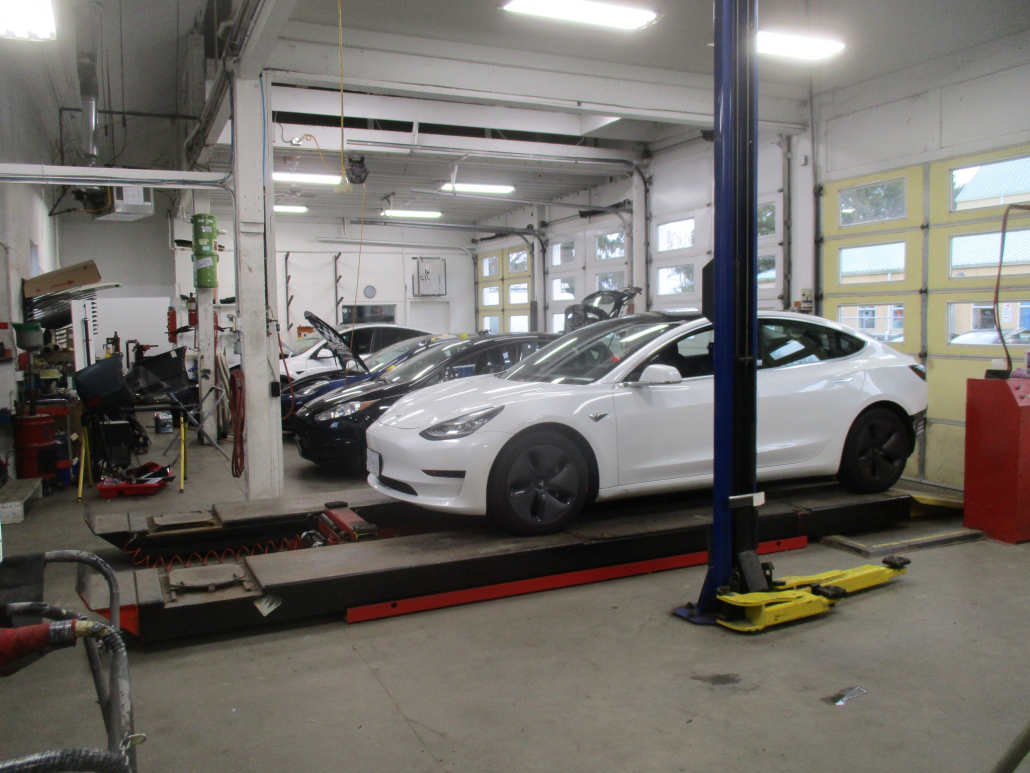
  • This licensed mechanic is teamed up with a specialized repair tech in a dedicated space away from the metal work and finishing area.
  • This team is able to perform all services including component replacement, suspension repairs, air conditioning, tire and wheel work and wheel alignment. 10 years ago, a headlight was a headlight, you could take out the broken one and install a new one without a thought.
  • This allows us to maintain control of the entire repair process with very minimal sublet involved.
  • Efficiency and security are added to the process as the vehicle does not have to leave our facility while our ability to track and verify the standard of the work is enhanced.
  • Very few other collision repair facilities can offer such a wide range of in-house services.

Electronic Repairs and Calibrations

  • It is unrealistic to expect the well trained and experienced structural technician to also diagnose and then correct electronic systems issues.
  • It is also inefficient to leave these issues until the end of the repair and then send the car to the dealer or a sublet mechanical shop to diagnose and resolve these as the last step in the process.
  • Our mechanical team has the up-to-date training and equipment needed for most diagnostics, systems issues and code resets.
  • With some makes there are circumstances where we do have to send the car to the dealer for system resets and corrections, but this process is much more efficient if we have done the initial work and narrowed down the possible problems.
  • This in house electronic diagnostic capability is first utilized at the disassembly stage. If this diagnosis shows that parts are needed, these can be authorized and ordered as the car moves through other stages of repair.
  • Waiting until repairs are completed and then sending the car out for diagnosis is much less efficient.

Mechanical and Electrical FAQs

1. Why do modern vehicles require pre and post repair scans?

Modern vehicles contain numerous computer modules. Diagnostic scans help identify existing faults before repairs begin and help verify that vehicle systems are functioning correctly after repairs are completed.

2. What is a post repair scan?

A post repair scan is a computerized inspection performed after repairs are completed. It can help identify fault codes, confirm repairs were successful, and verify that vehicle systems are operating correctly.

3. Can collision damage affect wheel alignment?

Yes. An impact can alter suspension geometry and steering angles, potentially causing handling issues, uneven tire wear, and reduced vehicle stability.

4. Why is wheel alignment checked after a collision?

Wheel alignment helps verify that steering and suspension components are positioned correctly and that the vehicle tracks properly on the road.

5. Can collision damage affect tire wear?

Yes. Misaligned suspension or steering components can cause uneven tire wear and reduce tire life.

6. Can sensors be damaged without triggering a warning light?

Yes. Some sensors may be physically misaligned or damaged without immediately generating a dashboard warning or fault code.

7. Why are post repair inspections important?

Post repair inspections help verify repairs, safety systems, structural components, and vehicle functions before the vehicle is returned.

8. What is the purpose of a final road test after repairs?

A road test helps verify vehicle performance, steering, braking, suspension operation, and overall drivability before delivery.

© Copyright Tsawwassen Collision Website Designed and Maintained by A&G Creative Agency