Contact Us

TSAWWASSEN COLLISION
17-1835 56th Street
Tsawwassen, BC, V4L 2L8
HOURS OF OPERATIONS
Monday to Friday
8:00am to 5:30pm

At Tsawwassen Collision, we’re committed to providing you with auto repairs that not only restore your vehicle’s appearance and performance but also ensure your safety on the road. While it’s satisfying to see your car looking and driving like it did before the accident, it’s the concealed intricacies that truly matter.
The Evolution of Vehicle Complexity
Staying Ahead of the Curve
Precision Begins with Damage Assessment and Diagnosis
Seamless Insurance Claims

Private Pay Repairs with Clarity
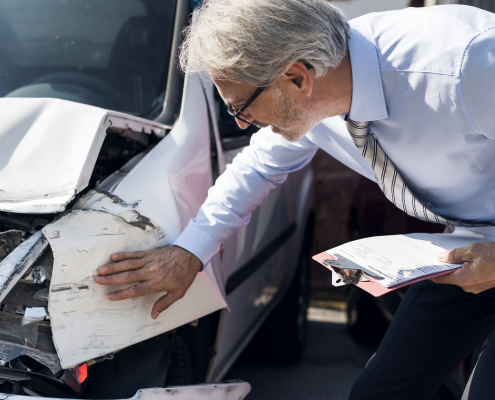
Cars are now very complicated, and it can be difficult to identify all damaged parts before disassembly. Structural damage may also require detailed measurements to identify. A broad range may be possible initially, but an exact repair cost may not be known until the vehicle has been properly inspected.
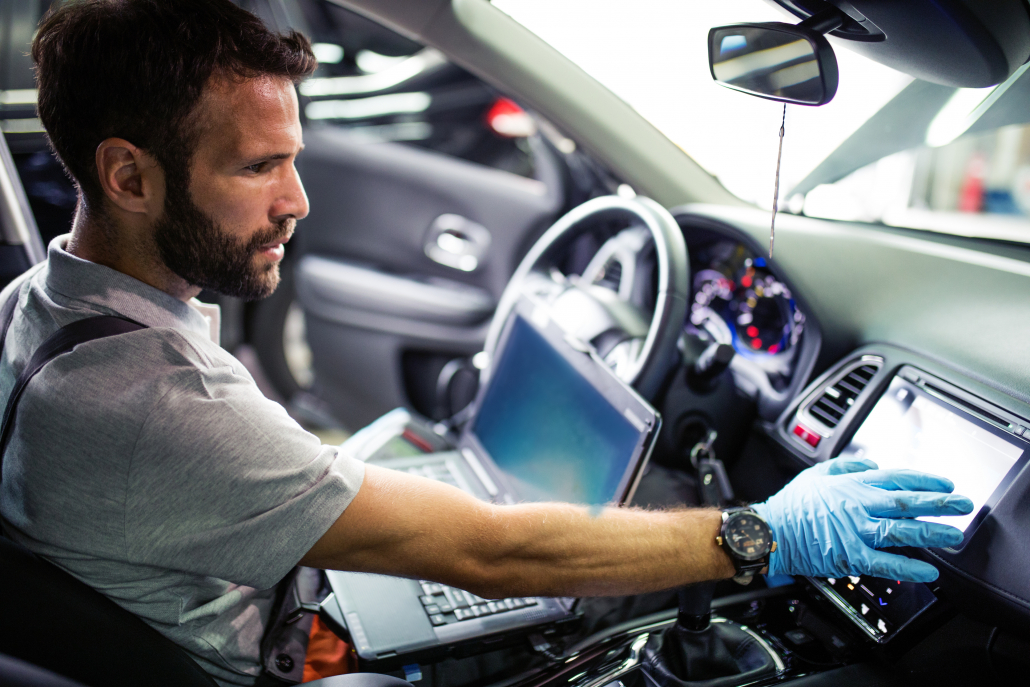
Yes. Modern vehicles contain structural components, sensors, cameras, wiring systems, and safety features that may not show visible signs of damage. Proper diagnostics, measurements, and calibrations can therefore be just as important as restoring the vehicle’s appearance.
Hidden damage can include bent structural components, damaged suspension parts, broken mounting brackets, wiring damage, sensor misalignment, and safety system faults that may not be visible until the vehicle is disassembled and inspected.
Many collision related issues cannot be identified through a visual inspection alone. Disassembly allows technicians to uncover hidden damage and develop a more accurate repair plan.
Yes. Even low speed impacts can affect sensors, cameras, bumper reinforcement systems, suspension components, and vehicle structure. Visible damage does not always indicate the full extent of the repair required.
An estimate is based on the damage that can initially be identified. The final cost may change if additional damage or required repair procedures are discovered during disassembly and inspection.
A supplement is an update to the repair estimate that accounts for additional damage or repair procedures identified after work begins.
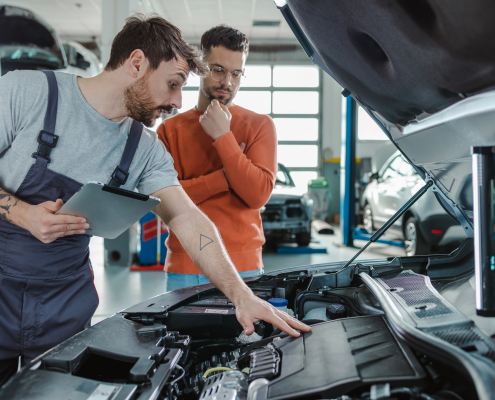
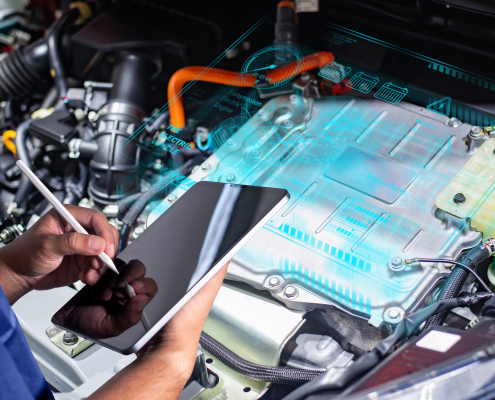
Modern vehicles contain advanced materials, sensors, cameras, driver assistance systems, and sophisticated electronics that can increase repair complexity.
Proper collision repairs help restore structural integrity, safety systems, sensor performance, and manufacturer designed crash protection features.
A vehicle’s structure is designed to absorb and redirect crash forces. Proper structural repairs help restore the vehicle’s ability to protect occupants in a future collision.
Repair facilities can use computerized measuring systems to compare vehicle dimensions against manufacturer specifications and identify structural deviations.
In many cases, yes. Modern repair equipment can allow structural components to be restored to manufacturer specifications when the appropriate repair procedures are followed.
No. Paintless Dent Repair is most effective when the paint surface remains intact and the metal has not been stretched beyond repair.
While automotive paint may be dry to the touch relatively quickly, complete curing can take several weeks depending on the materials, temperature, and environmental conditions.
Professional colour matching systems can help achieve an excellent match, including on older vehicles where the existing paint may have experienced fading over time.
Corrosion protection helps prevent rust from developing in repaired areas and contributes to the long term durability of the vehicle.
Some body panels cannot be safely restored because of the extent of the damage, the material involved, or manufacturer repair restrictions.
The exterior of a vehicle does not always reveal everything that was affected in a collision. Structural components, mounting points, wiring, sensors, suspension components, and other systems may require inspection before the full extent of the damage can be determined.
TSAWWASSEN COLLISION
17-1835 56th Street
Tsawwassen, BC, V4L 2L8
HOURS OF OPERATIONS
Monday to Friday
8:00am to 5:30pm